

The Wisdom of the Mountains, Wrapped in a Leaf.
A traditional preserved food from the deep mountains of Nara, passed down for generations.Introduction What is Kakinoha-Sushi?
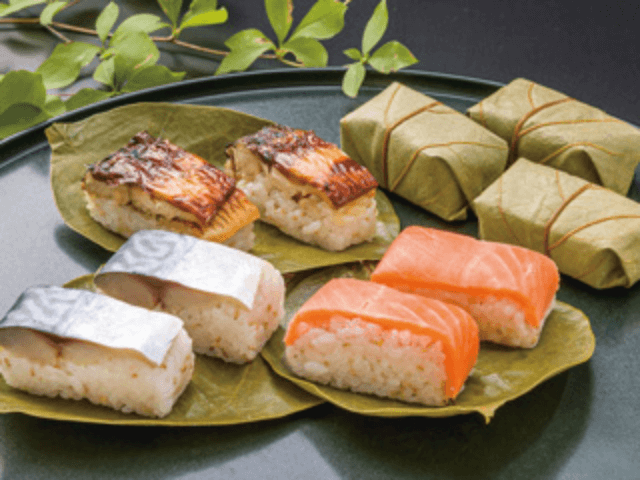
Kakinoha-sushi is a traditional sushi from Nara, made by placing thinly sliced mackerel on vinegared rice and wrapping it in persimmon leaves. It originated in the mountainous Yoshino region, where fresh fish was once scarce, as a practical and delicious way to enjoy precious mackerel.
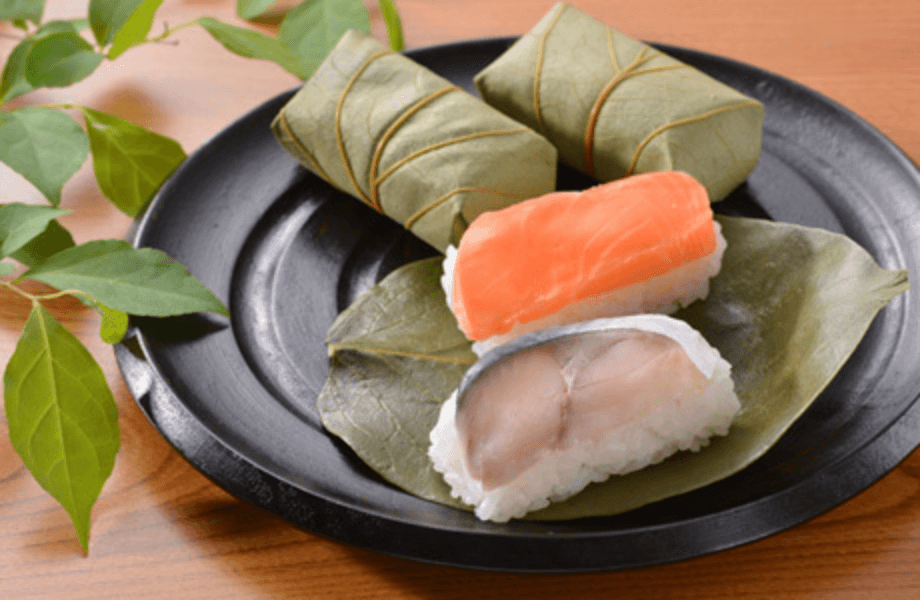
Japan is home to a wide variety of regional sushi styles—such as nigiri, maki, and pressed sushi—and Kakinoha-sushi is one of these traditions, carefully passed down through generations. Easy to carry and naturally well-preserved by the leaves, it was enjoyed as a special dish for festive occasions known as hare no hi. Today, it is widely recognized as a beloved specialty of Nara.
History A Gift from the "Mackerel Road
Why did fish-based sushi become a local specialty in Nara, a region with no access to the sea? The key to this mystery lies in the historic routes connecting the Pacific coast to Nara, often referred to as the “Saba Kaido,” or Mackerel Road.

Saba Kaido
The exact origins of kakinoha-sushi are unclear, but it is believed to date back to at least the mid-Edo period. Although Nara is inland, fish-based sushi developed through historic trade routes known as the Saba Kaido, which brought salted mackerel from coastal regions into the area. One such route, the Higashi Kumano Kaido, passed through Kamikitayama Village, where our company was founded.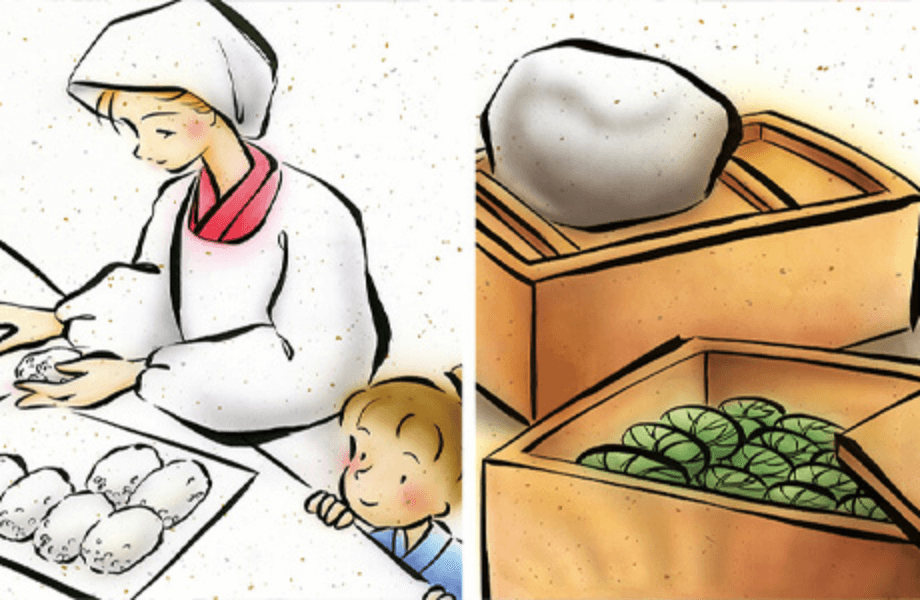
Wisdom of Preservation
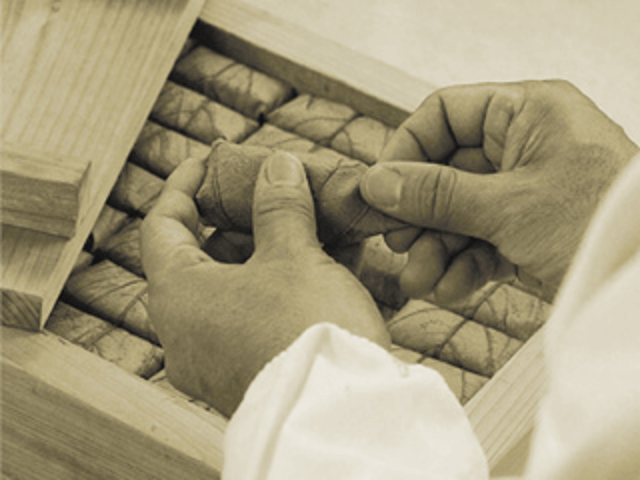
Before refrigeration, kakinoha-sushi was created by mountain villagers as a practical way to preserve fish. Vinegared rice topped with mackerel was wrapped in persimmon leaves and gently pressed in wooden molds, allowing the flavors to blend naturally. The leaves also improved its keeping quality, making it suitable for daily life.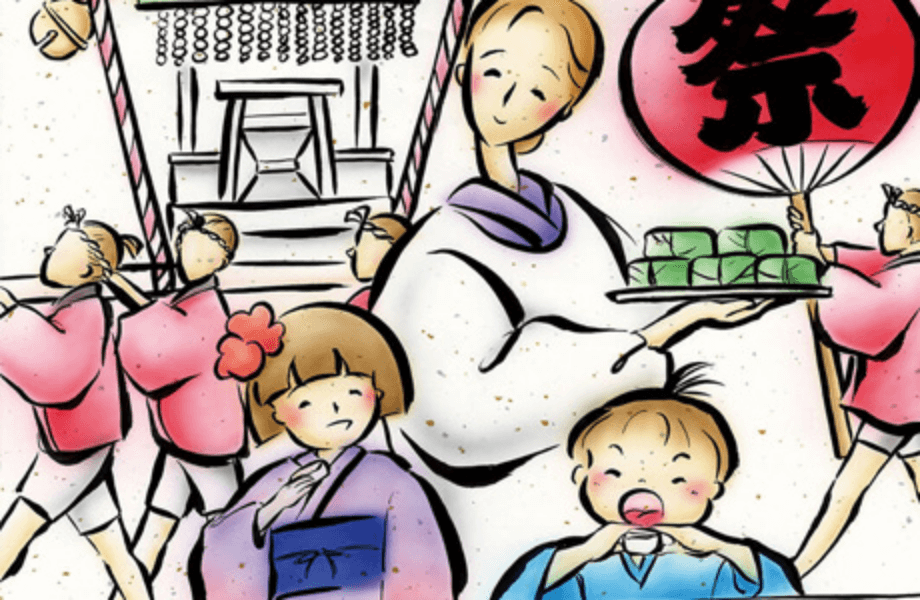
A Feast for Celebration
In the mountainous Yoshino region, seafood was once a rare and precious luxury. For this reason, kakinoha-zushi was cherished as a special dish for celebratory occasions, known in Japan as hare no hi. It was also enjoyed during festivals, where families and communities would gather around and share it together.Functionality Why Persimmon Leaves?
-
Antibacterial
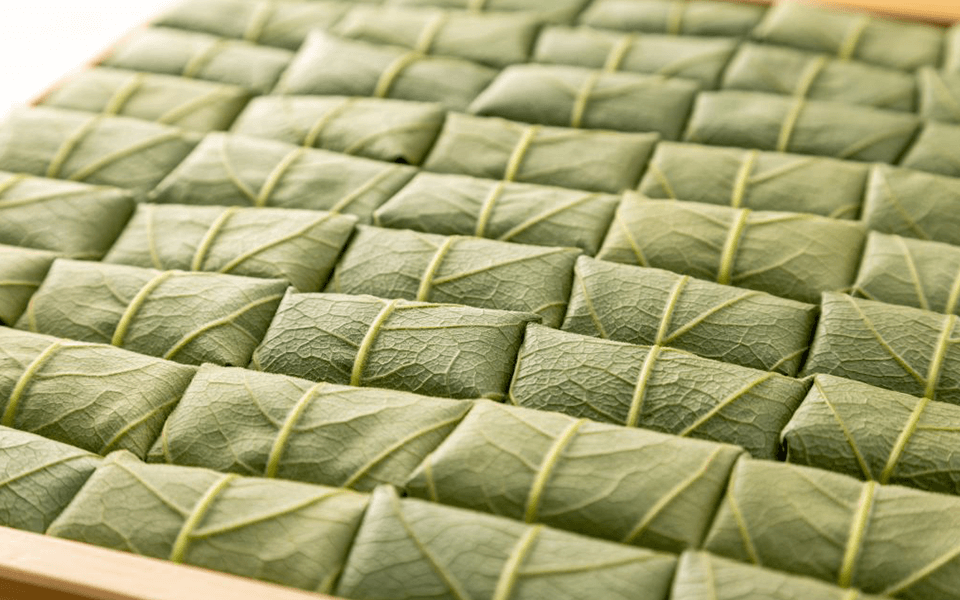
Persimmon leaves, rich in vitamin C and tannins, are known for their antibacterial properties. Although people in the past did not understand the science, they learned through experience that wrapping sushi in these leaves helped it last longer. This practical wisdom made persimmon leaves a natural way to preserve kakinoha-sushi. -
Moisture Retention
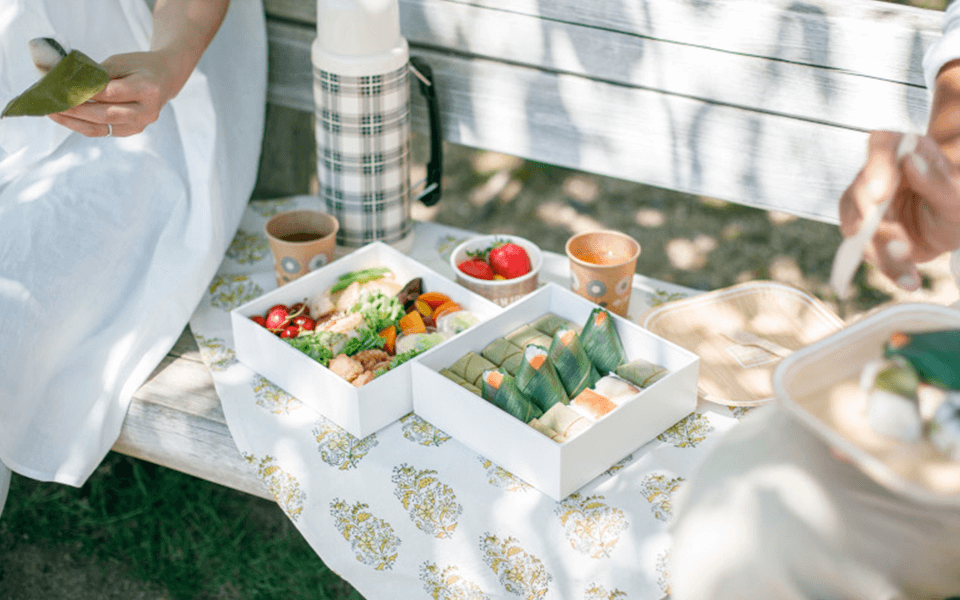
Wrapping sushi in persimmon leaves also helps prevent the rice from drying out. By retaining moisture, the leaves help maintain the soft texture of the vinegared rice, allowing the sushi to remain enjoyable even after time has passed. -
Aroma
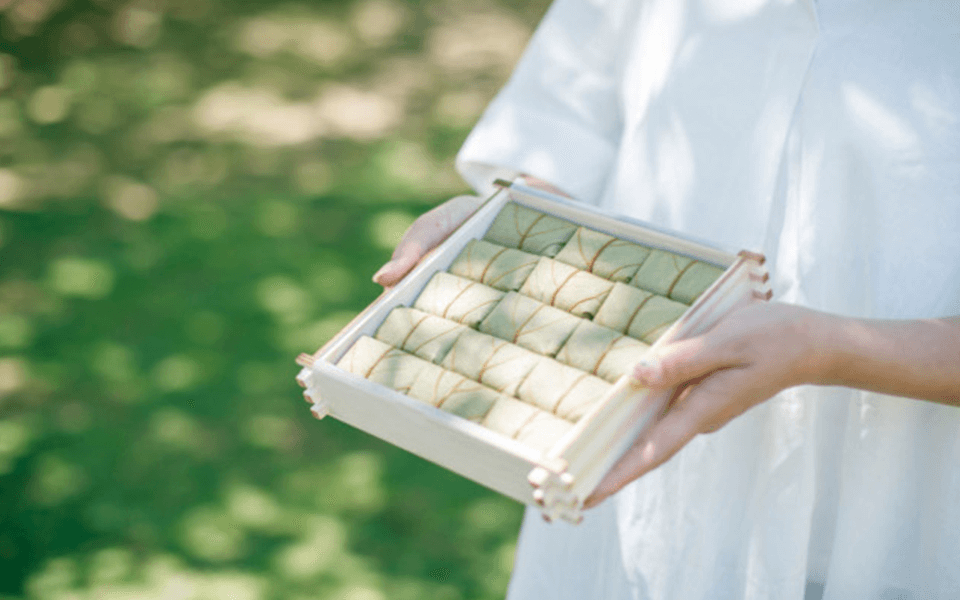
Persimmon leaves gently impart a fresh, natural aroma to the sushi. As the leaves are unwrapped, the fragrance softly spreads, stimulating the appetite and enhancing the overall eating experience.
Guide How to Enjoy Kakinoha Sushi
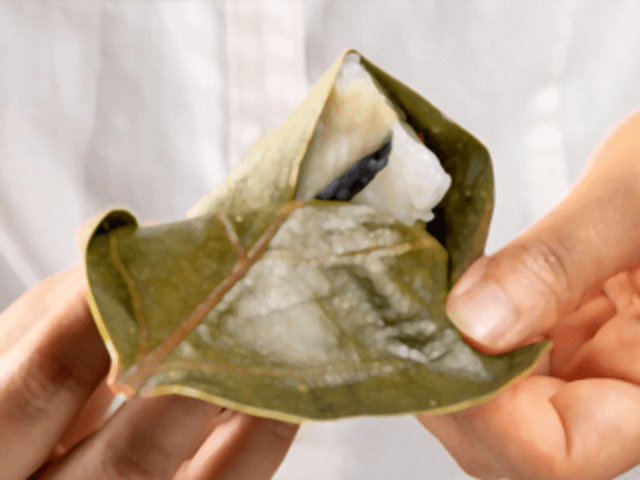
Kakinoha-sushi was originally created as a preserved food. Wrapping the sushi in persimmon leaves helps prevent it from drying out, and the antibacterial properties of the leaves allow it to keep longer. For this reason, the persimmon leaves should always be removed before eating.
Remove the persimmon leaf
In the mountainous Yoshino region, seafood was once a rare and precious luxury. For this reason, kakinoha-zushi was cherished as a special dish for celebratory occasions, known in Japan as hare no hi. It was also enjoyed during festivals, where families and communities would gather around and share it together.
※ Don't eat the leaf
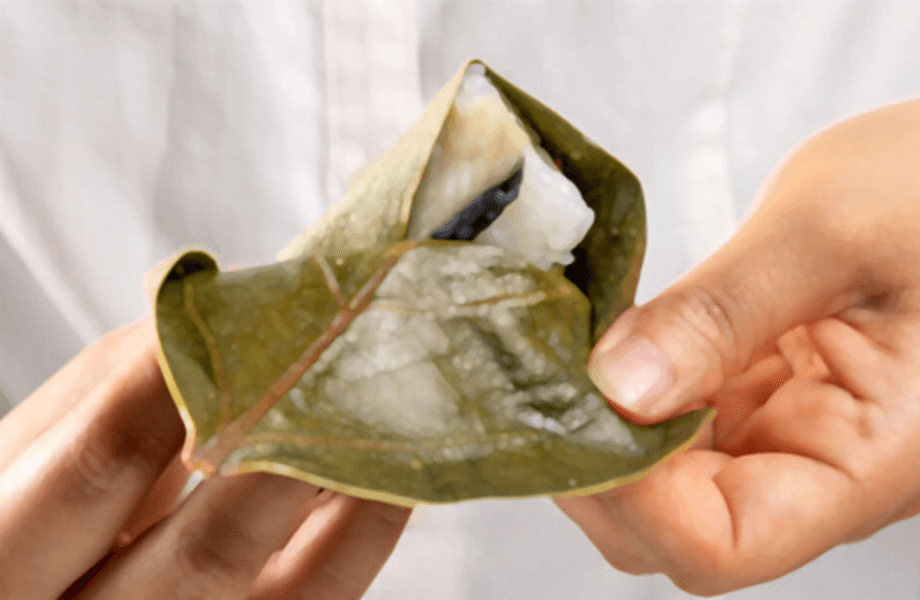
Eat without soy sauce
The mackerel is seasoned with vinegar and salt, and the vinegared rice is lightly sweetened. Because the flavors are already well balanced, kakinoha-sushi is traditionally eaten without soy sauce.
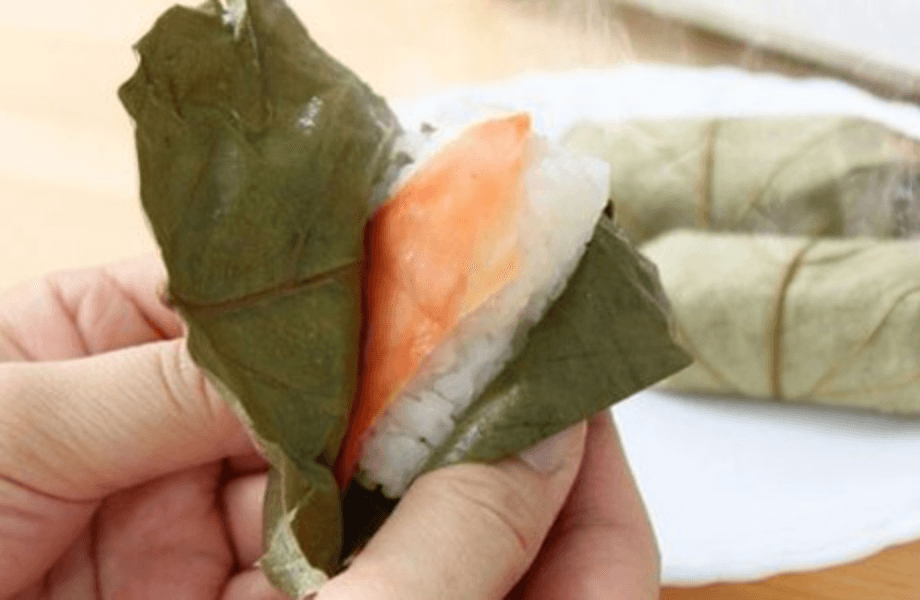
Best temperature for the rice
The ideal temperature for sushi rice is around 20°C (68°F). If the rice is too cold, it becomes firm and the flavor is diminished. Kakinoha-sushi delivered frozen can be warmed in a microwave. After heating, let it rest briefly to allow the heat to settle. Enjoy it when it is gently warm, rather than hot.
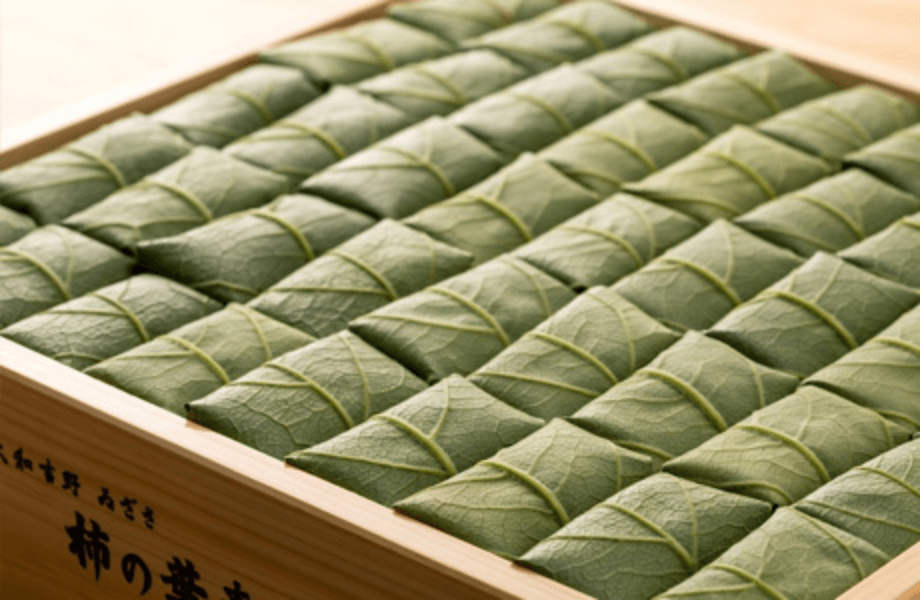
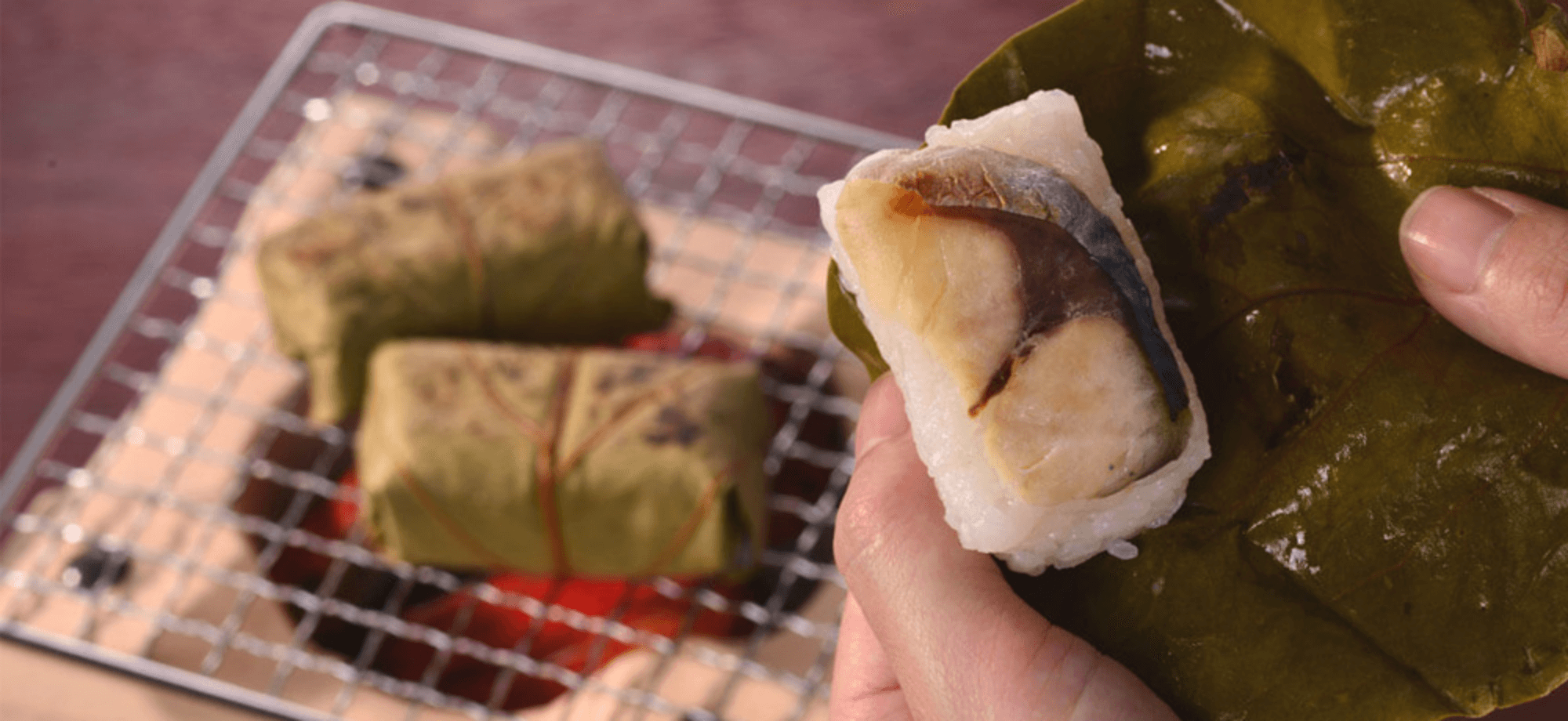
Try it Warm: "Yaki" Kakinoha Sushi
In the Yoshino region of Nara, where kakinoha-zushi originated, there is a tradition of lightly grilling the sushi before eating. When the rice becomes slightly firm, gently heating it helps both the fish and the rice regain a soft, fluffy texture, making it even more enjoyable. If grilling is not convenient, lightly warming the sushi in a microwave is also recommended.
Using an oven toaster
Keep the sushi wrapped in the persimmon leaves and place it in an oven toaster. Heat at 230°C (446°F) for about 5 minutes. Cooking times may vary depending on the appliance, so keep an eye on it. When the surface of the persimmon leaves becomes lightly charred, the sushi is ready to enjoy
Using a microwave
Arrange the kakinoha-zushi on a plate and cover it loosely with plastic wrap. Heat 2–3 pieces at 500W for about 20 seconds. If it is still cold, continue heating in 10-second intervals, checking frequently.